
Sora Video to Prompt: How to Write Better Sora Prompts
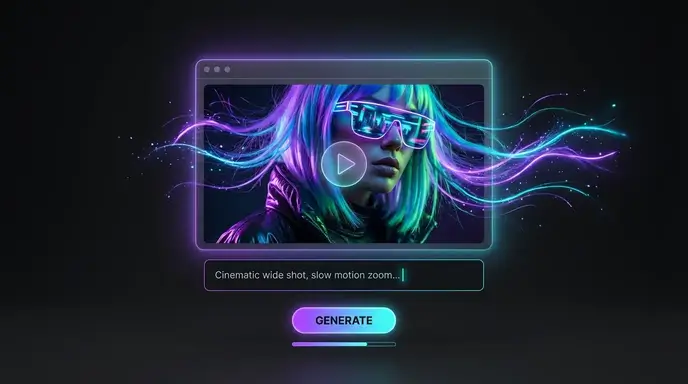
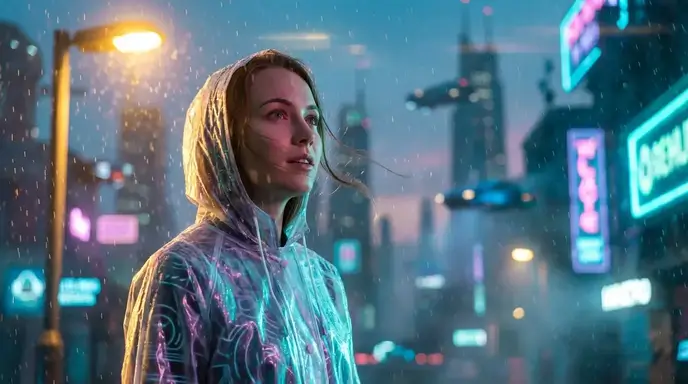
You see a great AI video and think, That’s the style I want. Then you write a prompt, hit generate, and get something that feels only loosely connected to the idea in your head. That gap is exactly why Sora video to prompt matters. Most people do not fail because they lack imagination. They fail because they do not know how to extract prompt from a video by breaking it into subject, setting, action, and camera style. Once you learn that process, writing clearer Sora prompts becomes much easier, and your results become far more controllable. What “Sora Video to Prompt” Really Means At first glance, Sora video to prompt sounds like a simple conversion task: watch a clip, describe what you see, and turn that into text. In practice, it is more specific than that. You are not just describing a scene. You are translating a video into prompt language. That means identifying four core elements: This is also the foundation of how to write effective prompts for Sora AI video generation. Strong prompts do not dump random details onto the page. They organize visual information in a way that helps the model make better choices. A weak prompt often sounds like this: “A woman walking in a city at night, cinematic.” That tells Sora almost nothing useful. What kind of city? What kind of woman? Is she moving fast or slowly? Is the camera static or tracking? Is the mood glossy, moody, realistic, dreamy? The more gaps you leave, the more the model improvises. How to Write Effective Prompts for Sora AI Video Generation If you want more reliable outputs, use a simple structure: Subject + Setting + Action + Camera/Style This is much easier to manage than trying to write one huge paragraph full of adjectives. Here is how each part works. Subject Start with the visual anchor. Be concrete. Instead of “a man,” write something like:“a man in his 30s with short dark hair, wearing a charcoal coat and black gloves” Instead of “a product,” write:“a matte black skincare bottle with a silver cap placed on a marble counter” The point is not to overload the description. It is to give Sora enough detail to avoid generic results. Setting Now place the subject somewhere real. This is where many Sora prompts stay too vague. “In a city” is weak. “On a rain-soaked street in Tokyo at night, neon reflections glowing on wet pavement” is much stronger. Good setting details do more than name a location. They establish atmosphere. Action This is the part most users overcomplicate. For short clips, one main action is usually enough. If you ask for too many beats in one prompt, motion becomes messy. “She walks to the door, opens it, turns around, smiles, and runs outside” is too much for one shot. A better version would be:“she walks slowly toward the camera while glancing at her phone” Clear action almost always beats ambitious action. Camera and style This is the difference between “something happened” and “this looks intentional.” You do not need film-school language, but you do need direction. Mention shot type, camera movement, and visual mood when relevant. For example:“medium tracking shot moving backward, soft cinematic lighting, shallow depth of field, cool desaturated tones” That instantly gives the model a more usable framework. Weak prompt vs better prompt Weak prompt:A woman walking in a city at night, cinematic. Better prompt:A woman in her 30s with short black hair and a red wool coat walks toward the camera on a rain-soaked Tokyo street at night, neon signs reflecting in the wet pavement, medium tracking shot moving backward, soft cinematic lighting, shallow depth of field, cool desaturated tones. The second version is not stronger because it is longer. It is stronger because each part has a job. A Simple Sora Video to Prompt Workflow If you already have a video idea, or you are trying to reverse-engineer a clip you like, this workflow keeps things simple. Step 1: Identify the visual anchor Ask yourself: what is the viewer supposed to notice first? The person? The product? The environment? That is your subject. Step 2: Reduce the shot to one main action Do not write a whole sequence yet. Focus on a single visual beat. One movement is easier to control than four. Step 3: Add the environment and mood Now build the setting around the action. Think time of day, weather, lighting, color, background texture, and overall atmosphere. Step 4: Add camera direction This is where the shot becomes more cinematic. Decide whether it is a close-up, medium shot, or wide shot. Decide whether the camera is static, panning, tracking, or handheld. Step 5: Rewrite for clarity Before generating, cut filler words. If a phrase does not help the model see the shot more clearly, remove it. This same process also helps when using a Sora AI prompt generator. Prompt tools can speed up drafting, but they work much better when you already know the subject, action, and camera logic you want. Prompt Examples for Common Sora Use Cases Here are two practical examples you can adapt. Example 1: Cinematic short scene A young man in a dark navy coat stands alone on a rooftop at sunrise, wind moving through his hair, the city skyline glowing softly in the background, slow push-in camera movement, cinematic lighting, warm orange highlights, cool shadows, dramatic but realistic mood. This works because it stays focused. One subject, one environment, one visual emotion. Example 2: Sora AI Prompts for Faceless Content Not every creator wants character-driven videos. Many people are making tutorials, product demos, desk videos, cooking clips, and workflow content. That is where Sora AI prompts for faceless content become useful. Example prompt:Close-up of two hands assembling a minimalist desk setup on a wooden table, soft natural morning light from a nearby window, clean modern workspace, smooth overhead camera shot, calm premium lifestyle aesthetic. This kind of shot works well for creators who want polished
Best AI TikTok Video Generator Experience
Since using this AI tool for my TikTok content, my posts finally started getting real traction. The platform-optimized format makes a noticeable difference in views and engagement compared to my old posting method. Highly recommend it!
AI TikTok Video Maker Success
Maintaining a daily posting schedule seemed impossible until I found this amazing tool. Now I batch create content in minutes instead of hours. My consistency improved dramatically and so did my follower growth rate.
AI Video Maker for TikTok Results
Our brand account grew from 5K to 50K followers in just three months using AI-generated content. The native style resonates with users much better than our previous professional productions ever did.
AI TikTok Generator Review
My boutique now competes with major retailers on TikTok. Product clips look professional and drive actual sales. Best marketing investment I never had to make since this tool is completely free to use.
AI Videos for TikTok Quality
The AI understands current TikTok trends better than I do honestly. My content feels fresh and relevant every time, which keeps my audience engaged and coming back for more daily content from me.
AI Tools to Create TikTok Videos
What used to take me two hours now takes just five minutes with this tool. As someone managing multiple platforms simultaneously, this AI tool is absolutely essential for my workflow and productivity.