

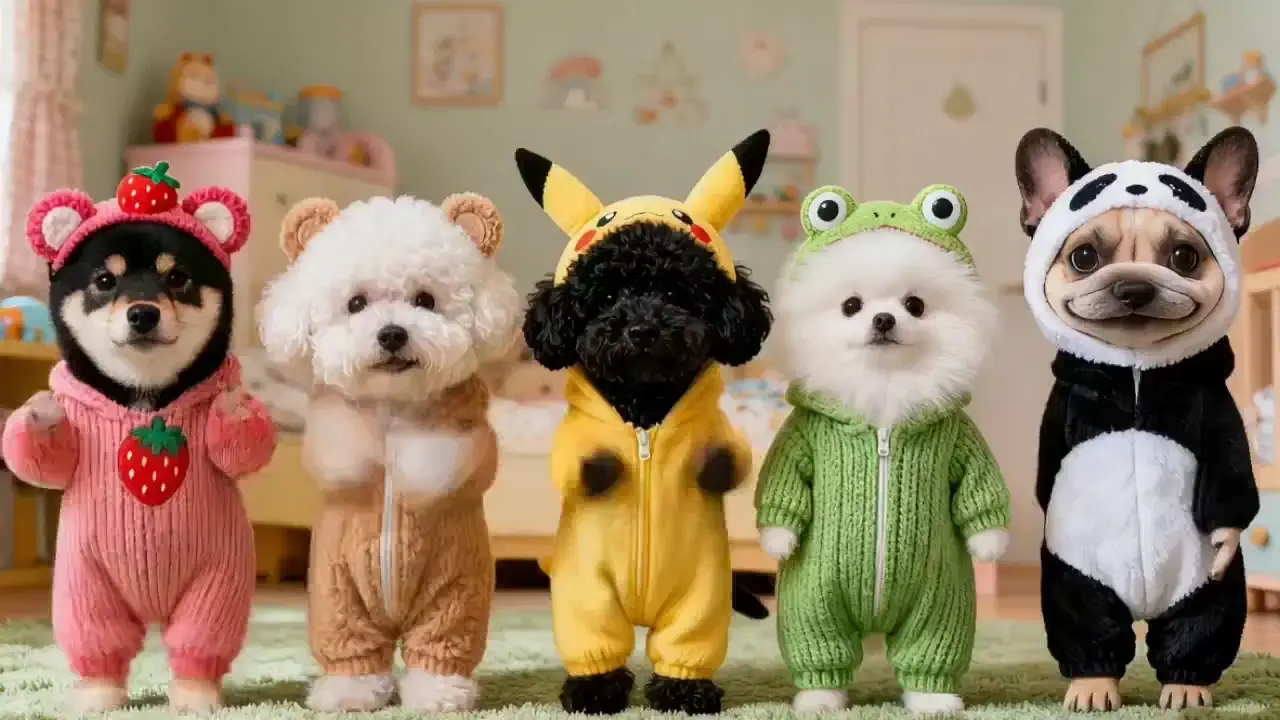
Create Video with AI: Convert Text to Video Online Instantly
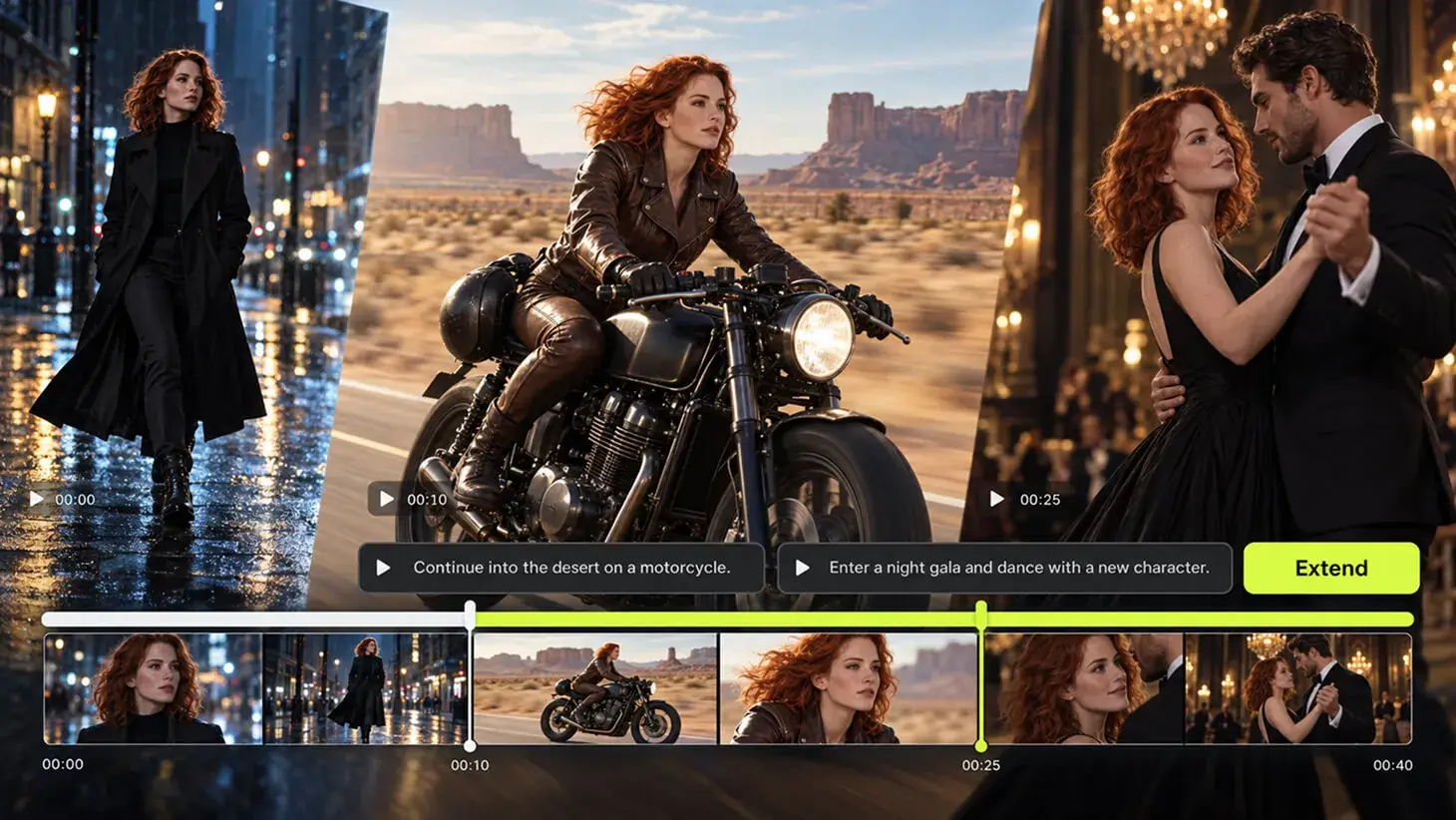
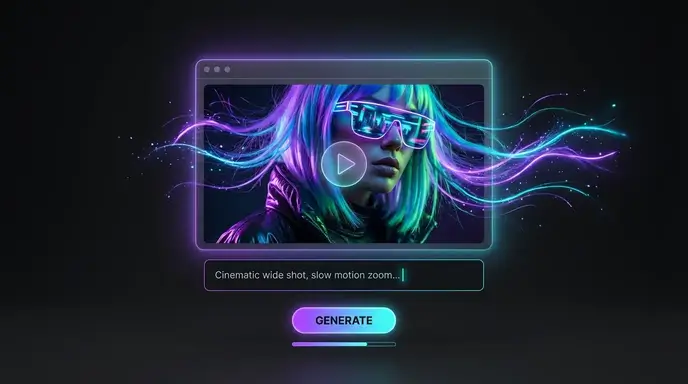
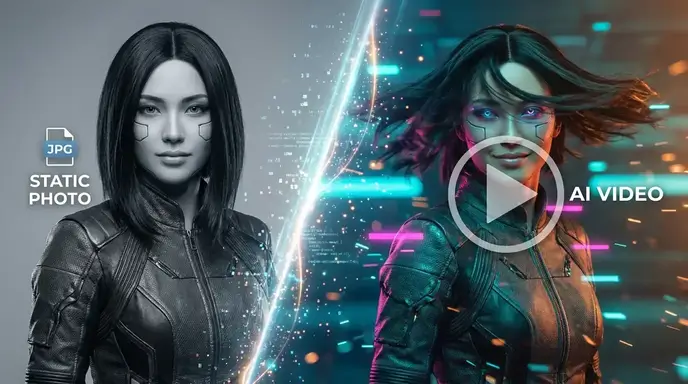
Welcome to the most powerful AI text to video generator free platform that transforms your written words into captivating visual content. Whether you need to create video with artificial intelligence for marketing campaigns, educational materials, or social media posts, our advanced AI video generation from text prompt technology delivers stunning results in seconds. Simply type your description, and watch as our intelligent system converts your text into professional-quality video footage. This free AI text to video tool rivals expensive production studios while requiring zero technical expertise. Join millions of creators worldwide who use our platform to generate an AI video for free every day.
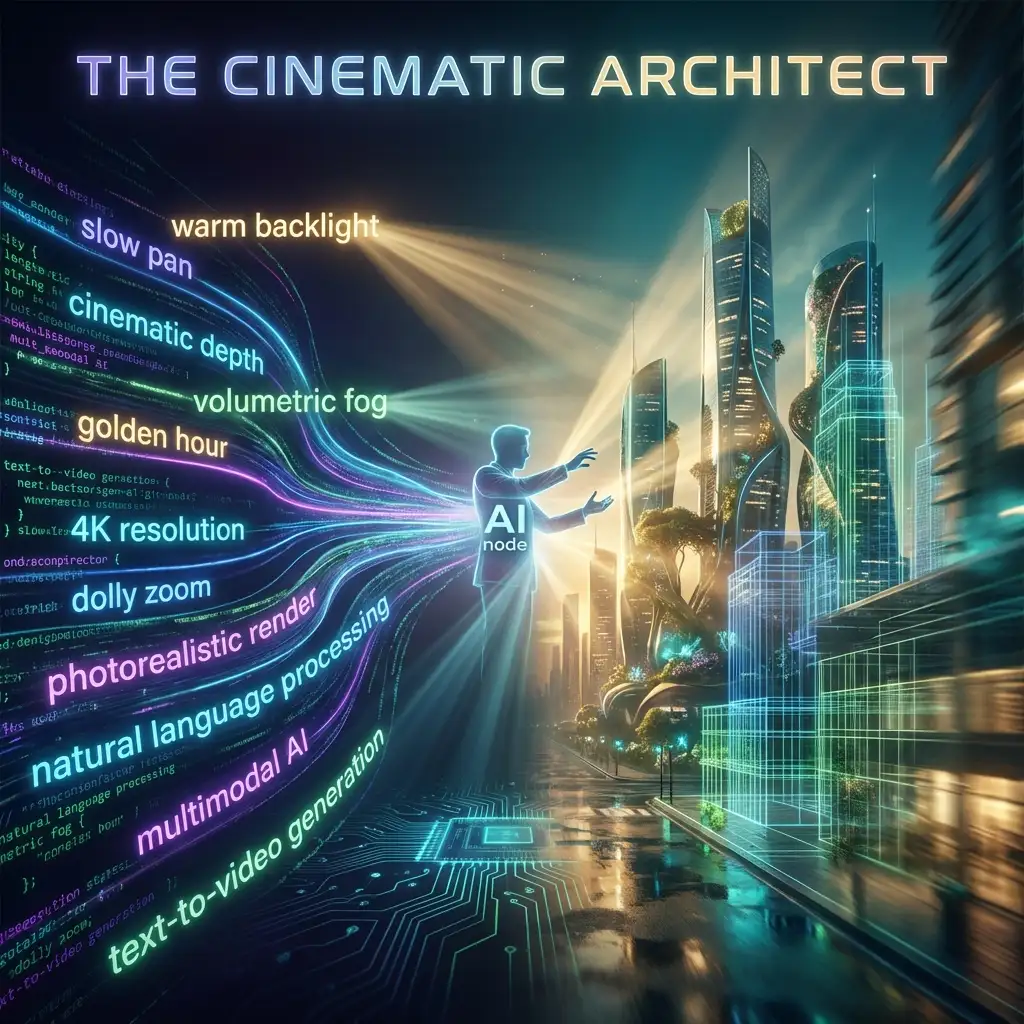

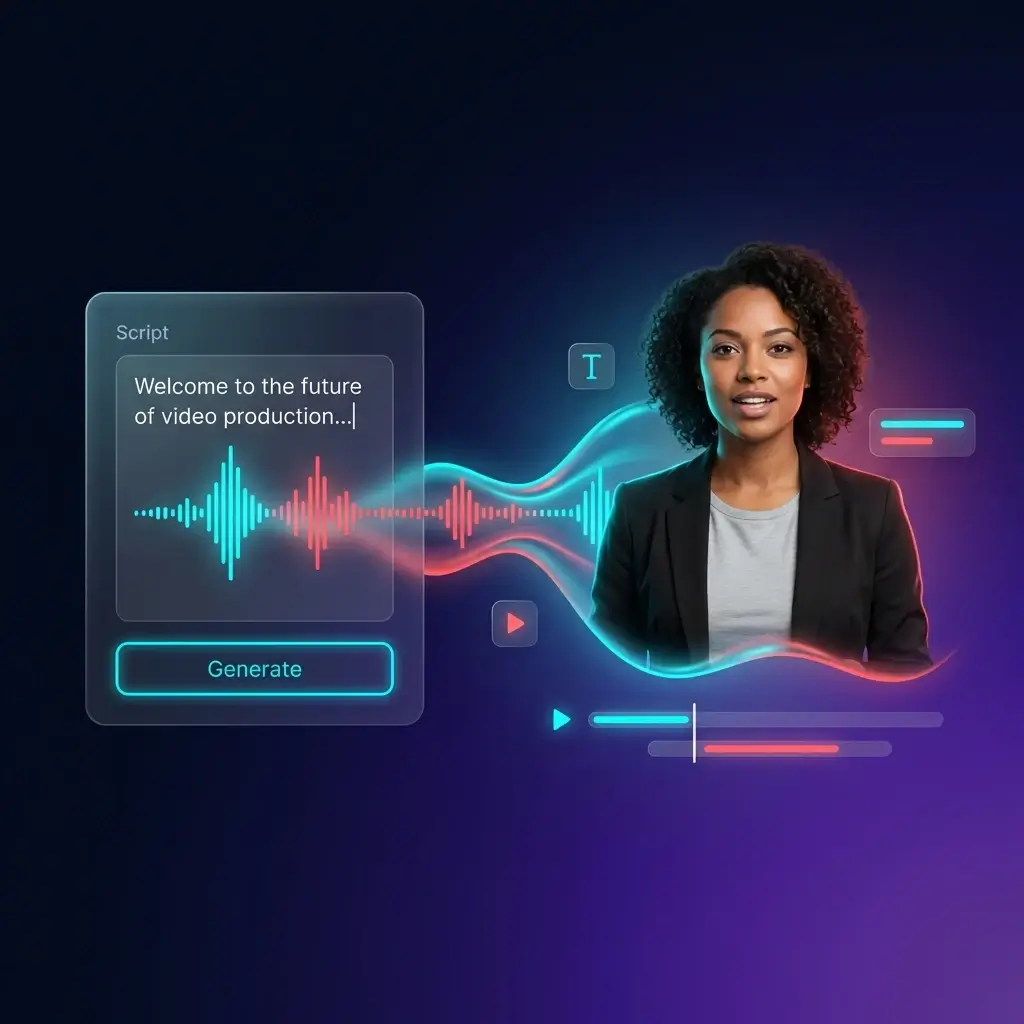
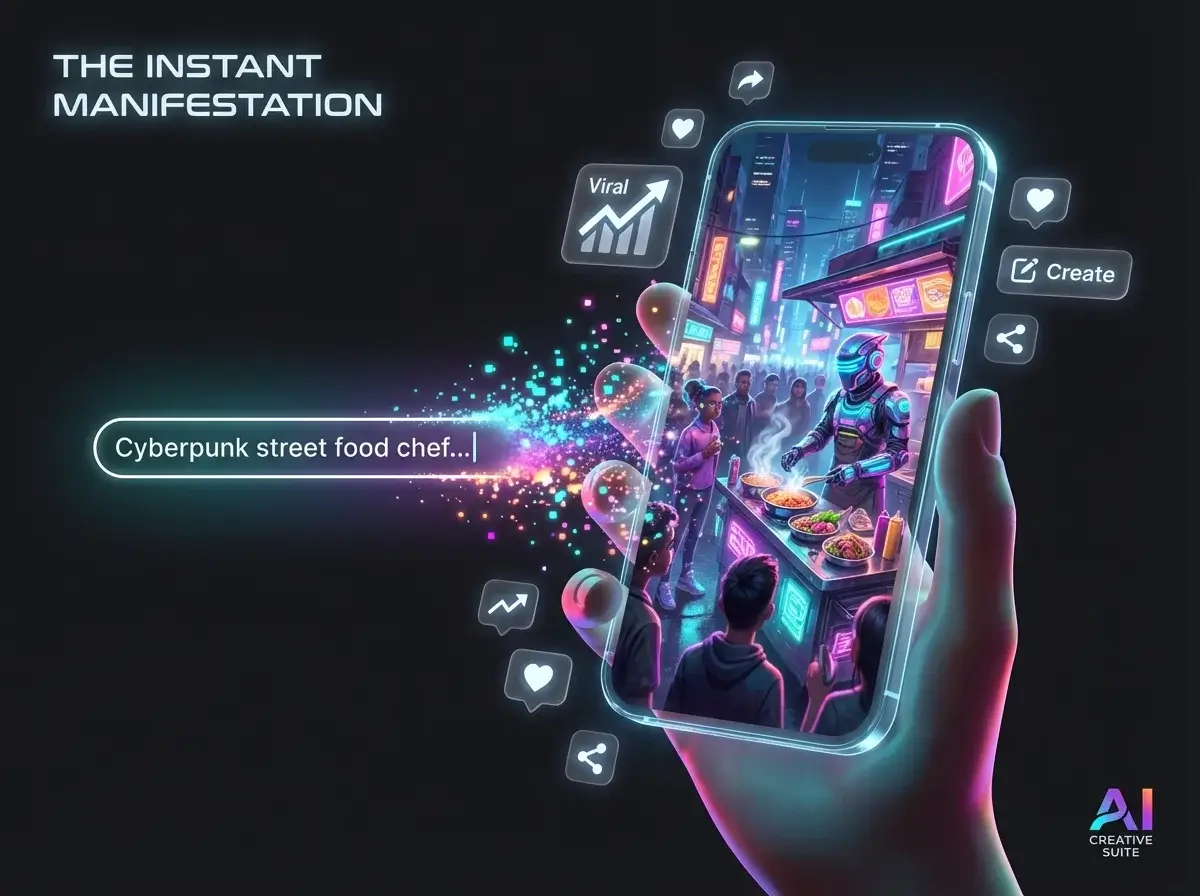

Marketing Video Costs Eliminated
We used to spend thousands on video production for social campaigns. Now I type a text description and have professional AI video footage in minutes. This AI text to video generator completely transformed our content strategy. The quality rivals traditional production while the free AI text to video tool approach saves our entire budget.
Content Video Volume Multiplied
As a solo creator, producing enough video content seemed impossible before discovering this AI platform. Now I convert text to video dozens of times weekly. My channel growth accelerated dramatically once I could publish AI video content consistently. This prompt to video AI free tool leveled the playing field completely.
Client Video Presentations Transformed
Pitching video concepts with actual AI-generated examples instead of storyboards changed everything. Clients immediately understand our creative vision when they see AI video content. Win rates improved significantly since we started using text to video AI for presentations. Converting text to visuals instantly is revolutionary.
Educational Video Content Simplified
Making visual aids for complex topics used to require hiring animators. This AI tool produces exactly what I need from text descriptions. My students engage deeply when concepts become video content. Teaching effectiveness improved measurably since I started producing video materials with AI.
Rapid Video Prototyping Enabled
Testing concepts before full production saves enormous resources. We generate multiple AI versions from different text descriptions, gather feedback, then invest in refining winners. This AI video workflow eliminated expensive creative failures. Turning text ideas into previews is invaluable.
Global Video Reach Achieved
Our brand needed content across multiple markets. Making unique AI clips for each region would have been impossible traditionally. This text to video generator free online lets us produce localized content rapidly. Turning translated text descriptions into visuals doubled our international sales.
Marketing Video Costs Eliminated
We used to spend thousands on video production for social campaigns. Now I type a text description and have professional AI video footage in minutes. This AI text to video generator completely transformed our content strategy. The quality rivals traditional production while the free AI text to video tool approach saves our entire budget.
Content Video Volume Multiplied
As a solo creator, producing enough video content seemed impossible before discovering this AI platform. Now I convert text to video dozens of times weekly. My channel growth accelerated dramatically once I could publish AI video content consistently. This prompt to video AI free tool leveled the playing field completely.
Client Video Presentations Transformed
Pitching video concepts with actual AI-generated examples instead of storyboards changed everything. Clients immediately understand our creative vision when they see AI video content. Win rates improved significantly since we started using text to video AI for presentations. Converting text to visuals instantly is revolutionary.
Educational Video Content Simplified
Making visual aids for complex topics used to require hiring animators. This AI tool produces exactly what I need from text descriptions. My students engage deeply when concepts become video content. Teaching effectiveness improved measurably since I started producing video materials with AI.
Rapid Video Prototyping Enabled
Testing concepts before full production saves enormous resources. We generate multiple AI versions from different text descriptions, gather feedback, then invest in refining winners. This AI video workflow eliminated expensive creative failures. Turning text ideas into previews is invaluable.
Global Video Reach Achieved
Our brand needed content across multiple markets. Making unique AI clips for each region would have been impossible traditionally. This text to video generator free online lets us produce localized content rapidly. Turning translated text descriptions into visuals doubled our international sales.