


Veo 2 Free AI Image to video: Transform Images into Professional Clips
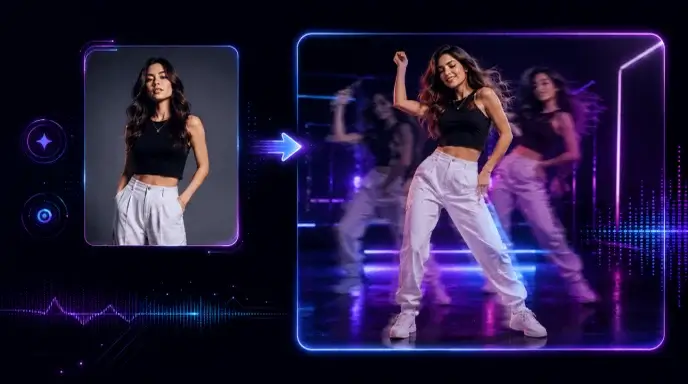
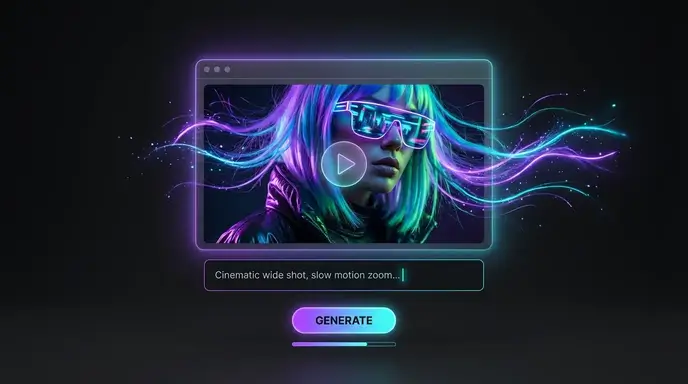
Experience veo 2 free AI for professional 4K content creation. Powered by Google DeepMind, this platform offers seamless gemini video generation from text or images. Enjoy fast processing and stunning 1080p+ results for your creative projects. Try the next generation of generative video AI news via veo login today.



Best Content Creation Experience with Google Veo 2 Test
This generator platform completely transformed my workflow. I tested google veo 2 test features and the quality rivals expensive production tools. The generator system creates engaging clips in minutes instead of hours. Highly recommend this generator platform for marketing teams.
Impressive Quality with Veo 2.0 AI Technology
The veo 2.0 AI capabilities produce remarkable generator results. This generator platform understands my prompts with accuracy and creates smooth natural motion. The output is essential for my content strategy. Outstanding generator results every time I use it.
Perfect Generator Tool - How to Get Access to Veo 2
Learning how to get access to veo 2 was simple and straightforward. This generator platform saves thousands on production costs. Professional results that customers love seeing. The generator system delivers real value for businesses creating marketing content.
Cinematic Generator Results with Gemini Veo 2 Video Generation
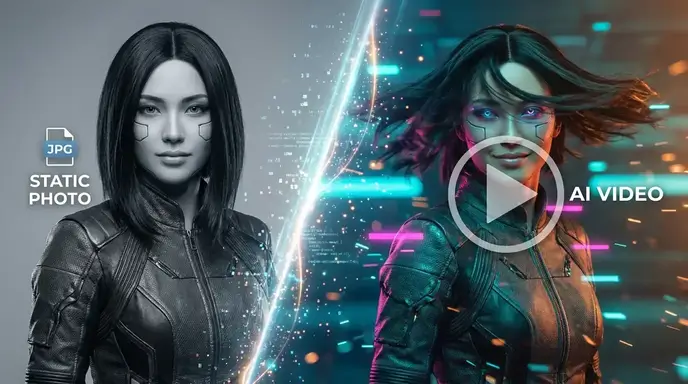
The gemini veo 2 video generation quality is truly cinema-grade for professional projects. This generator platform produces stunning clips from ordinary photos. The free generator access is remarkable value. Best generator tool I have used in my filmmaking career.
Easy Generator Platform - Google Veo 2 Free Access
Zero learning curve with google veo 2 free access. Upload your image, describe your vision, and create content instantly. Professional generator creation accessible to everyone regardless of technical skill. Great generator platform experience overall for photographers.
Reliable Generator Platform for Veo 2 Video Generation
Consistent veo 2 video generation quality with every project. This generator platform delivers exactly the content I need. Indispensable generator tool for production schedules. The generator platform exceeds all my expectations for social media management work.
Best Content Creation Experience with Google Veo 2 Test
This generator platform completely transformed my workflow. I tested google veo 2 test features and the quality rivals expensive production tools. The generator system creates engaging clips in minutes instead of hours. Highly recommend this generator platform for marketing teams.
Impressive Quality with Veo 2.0 AI Technology
The veo 2.0 AI capabilities produce remarkable generator results. This generator platform understands my prompts with accuracy and creates smooth natural motion. The output is essential for my content strategy. Outstanding generator results every time I use it.
Perfect Generator Tool - How to Get Access to Veo 2
Learning how to get access to veo 2 was simple and straightforward. This generator platform saves thousands on production costs. Professional results that customers love seeing. The generator system delivers real value for businesses creating marketing content.
Cinematic Generator Results with Gemini Veo 2 Video Generation
The gemini veo 2 video generation quality is truly cinema-grade for professional projects. This generator platform produces stunning clips from ordinary photos. The free generator access is remarkable value. Best generator tool I have used in my filmmaking career.
Easy Generator Platform - Google Veo 2 Free Access
Zero learning curve with google veo 2 free access. Upload your image, describe your vision, and create content instantly. Professional generator creation accessible to everyone regardless of technical skill. Great generator platform experience overall for photographers.
Reliable Generator Platform for Veo 2 Video Generation
Consistent veo 2 video generation quality with every project. This generator platform delivers exactly the content I need. Indispensable generator tool for production schedules. The generator platform exceeds all my expectations for social media management work.