



Wan AI Video Generator: Transform Images into Dynamic Videos
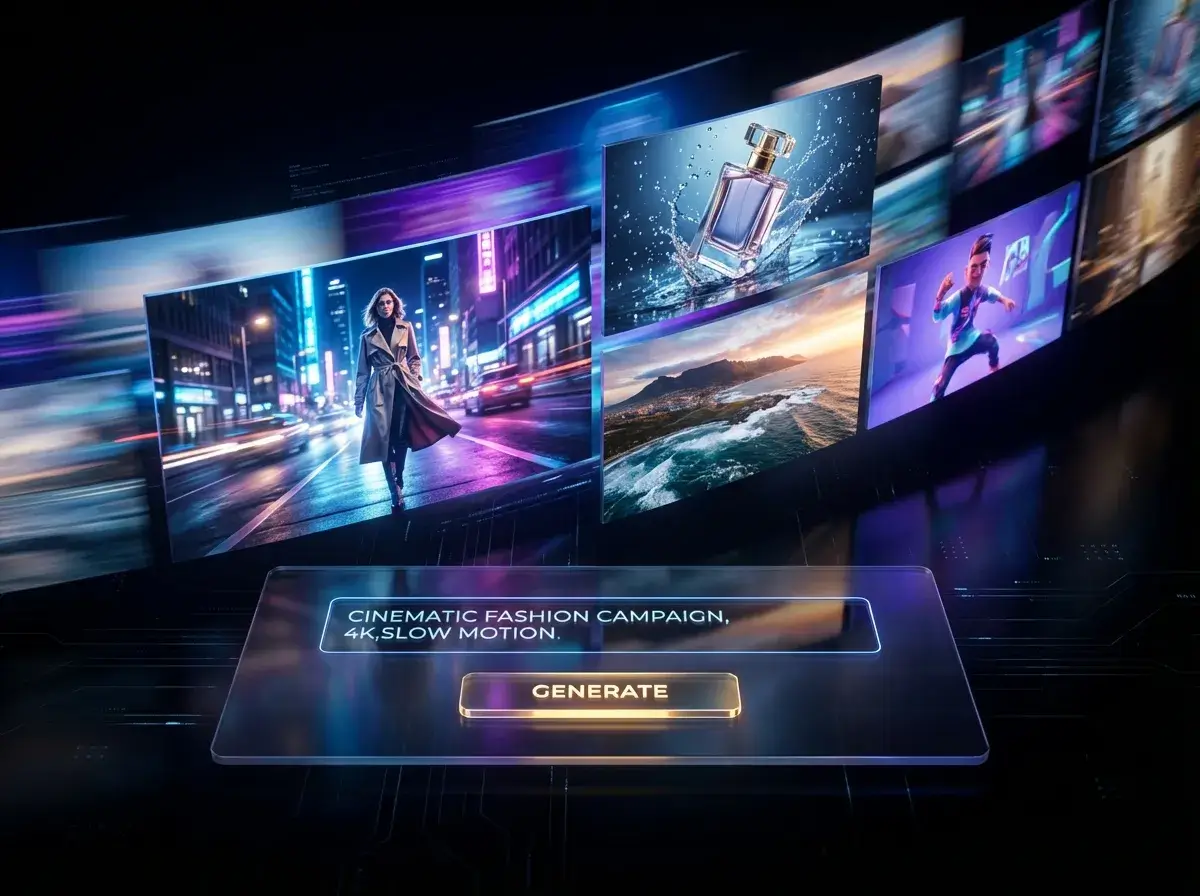
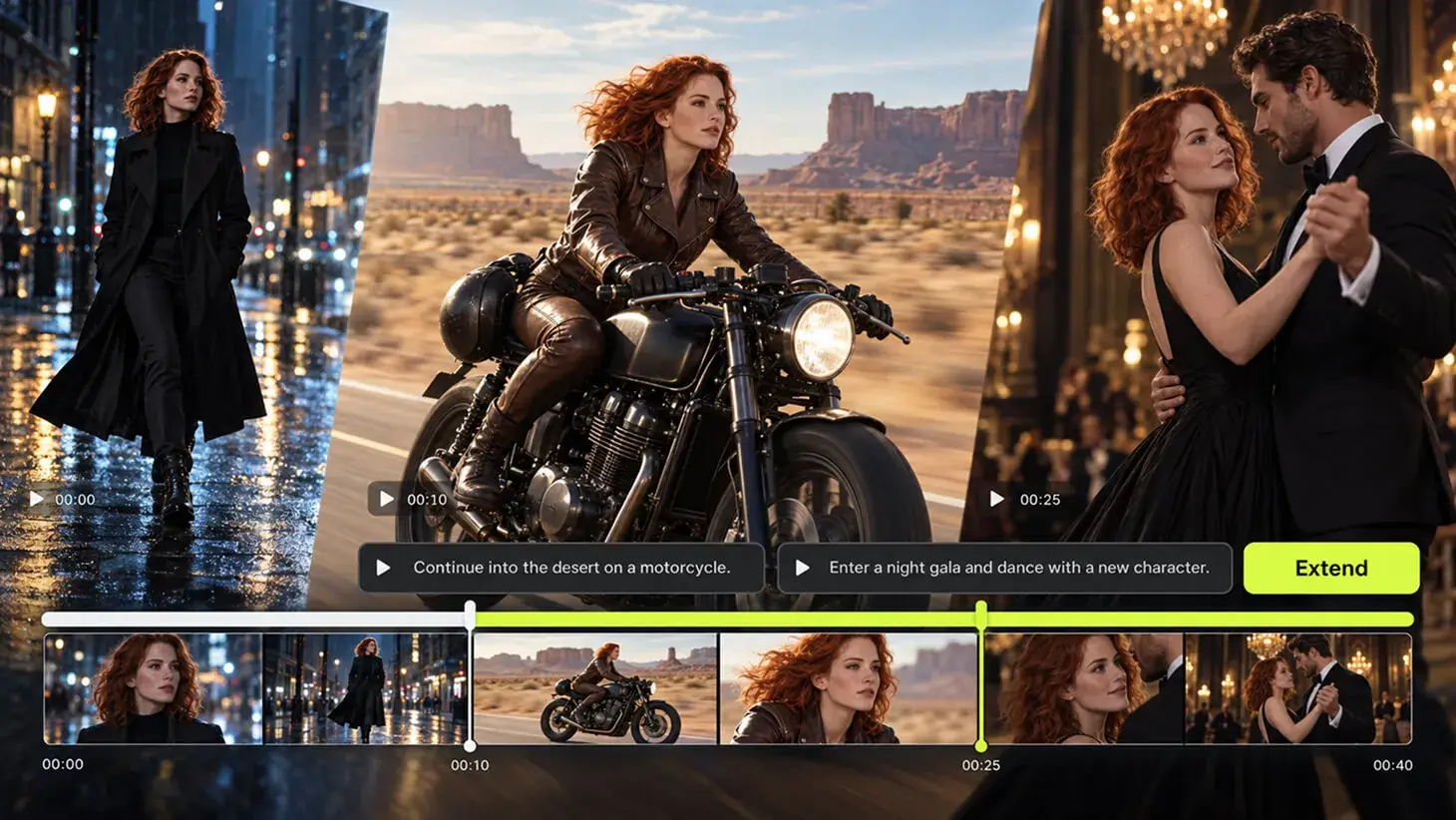
Welcome to the premier Wan platform where static images become dynamic visual content through advanced neural network processing. This open source model from Alibaba delivers professional-quality results that rival expensive commercial alternatives. The system understands scene composition, motion dynamics, and visual storytelling principles to create natural movement from any photo. Whether you need content for marketing campaigns, social media posts, or personal creative projects, this tool delivers exceptional quality without subscription fees. Version 2.6 represents the latest breakthrough in creation technology from the research team.









Professional Production Results
This technology transformed our production workflow completely, delivering quality that matches premium commercial tools. We tested different Wan versions and found consistent improvements in output. Hours of manual editing work are saved through intelligent automation and batch processing capabilities available through the platform.
Seamless Download Experience
Downloading from the Wan platform is seamless and fast through the intuitive interface. Clean exports without watermarks arrive ready for immediate distribution. Files meet professional quality standards that exceed expectations for a free service consistently across all projects and deliverables.
Easy Workflow Integration
Integrating Alibaba Wan capabilities into our existing workflow was straightforward and well-documented. The platform supports various development environments for quick implementation. Our team now relies on this solution for daily production tasks, improving efficiency significantly across all client projects.
Accessible Generator Interface
The Wan interface is intuitive enough for beginners while offering depth for advanced users. User experience was clearly prioritized during design, requiring no technical expertise for basic operations. Tutorials helped me create professional content immediately after signing up for the first time on this platform.
Exceptional Output Quality
Alibaba Wan output quality impressed our entire creative team during initial evaluation. Consistent results across varied inputs demonstrate robust underlying architecture. Challenging scenes are handled effectively, making this generator our standard creation tool for client projects across multiple industries.
Reliable Platform Performance
The Wan platform performs reliably under heavy usage during peak production periods. Quality maintains consistency during high demand times while uptime exceeds competing services. Infrastructure supports professional production schedules for agencies and enterprises consistently across all regions worldwide.
Professional Production Results
This technology transformed our production workflow completely, delivering quality that matches premium commercial tools. We tested different Wan versions and found consistent improvements in output. Hours of manual editing work are saved through intelligent automation and batch processing capabilities available through the platform.
Seamless Download Experience
Downloading from the Wan platform is seamless and fast through the intuitive interface. Clean exports without watermarks arrive ready for immediate distribution. Files meet professional quality standards that exceed expectations for a free service consistently across all projects and deliverables.
Easy Workflow Integration
Integrating Alibaba Wan capabilities into our existing workflow was straightforward and well-documented. The platform supports various development environments for quick implementation. Our team now relies on this solution for daily production tasks, improving efficiency significantly across all client projects.
Accessible Generator Interface
The Wan interface is intuitive enough for beginners while offering depth for advanced users. User experience was clearly prioritized during design, requiring no technical expertise for basic operations. Tutorials helped me create professional content immediately after signing up for the first time on this platform.
Exceptional Output Quality
Alibaba Wan output quality impressed our entire creative team during initial evaluation. Consistent results across varied inputs demonstrate robust underlying architecture. Challenging scenes are handled effectively, making this generator our standard creation tool for client projects across multiple industries.
Reliable Platform Performance
The Wan platform performs reliably under heavy usage during peak production periods. Quality maintains consistency during high demand times while uptime exceeds competing services. Infrastructure supports professional production schedules for agencies and enterprises consistently across all regions worldwide.