Model
Seedance (Economy K)
Smooth motion with consistent visual details
Model Version
Seedance 2.0 Fast
Seedance 2.0 Fast
Instant motion generation for rapid creativity
Seedance 2.0
Seedance 2.0
Cinematic image animation with stable visual consistency
Prompt
0 / 20000
Aspect Ratio
1:1
4:3
3:4
16:9
9:16
21:9
Audio
Duration
4s
Resolution
480p
720p
Number of Results
Create
Sample Video
Sample video preview

Unlimited Free Seedance 2.5 by Bytedance AI Video Generator: Official Website Alternative & Free Upgrade Without Watermark

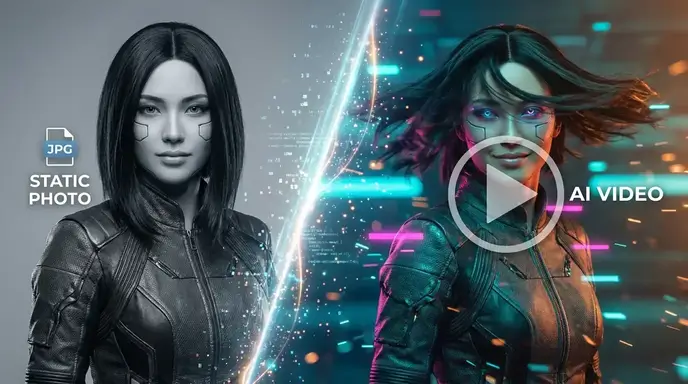
Discover the ultimate seedance video app experience and try seedance 2.5 on our platform. Perfect for creators who want to see dance animations come to life, this powerful chinese ai model transforms static images into dynamic clips. Learn how to use seedance 2.5 to generate stunning visuals effortlessly.

Prompt
Student walking through massive Great Hall oak doors into feast atmosphere, wand visible in hand as perspective moves toward long house tables under floating candle ceiling. Arrival anticipation sequence. Steadicam glide forward through door threshold revealing hall's impossible vertical scale, thousands of candles suspended in starry ceiling illusion, four house tables laden with golden plates and goblets stretching into vanishing point. Fellow students turn waving greetings, ghosts drift through air semi-transparent, owl post swoops overhead delivering letters. Ambient chatter layers build, candlelight creates warm communal glow reflecting off polished wood and stone. Natural 35mm with gentle depth of field keeping foreground sharp, cozy amber warmth from countless candles contrasting cool evening sky visible through enchanted ceiling, immersive Hogwarts belonging feeling.
Generated Clip
Prompt
Neon-lit sports car slicing through rain-soaked urban highway at night, city skyline reflecting in wet pavement creating mirror world. Cyberpunk nocturnal drive. Hood-mounted POV camera captures windshield wiper rhythm and dashboard glow, streetlights smear into light trails overhead. Raindrops on lens refract neon signs into bokeh starbursts, traffic lights shift from red to green timing passage. Tunnel entrance ahead glows orange inviting transition. Wide angle 24mm with intentional lens distortion, cool cyan and warm amber color split, Drive movie neon-noir atmosphere.
Generated Clip
Prompt
A cyberpunk 2077-style immersive 3D urban metropolis at night, dominated by towering neon-lit skyscrapers and hovering spacecraft drifting between buildings, blending gritty realism with futuristic tech. The scene pulses with electric energy, rain-slicked streets reflecting holographic ads and pulsating LED signs, evoking a dystopian yet mesmerizing atmosphere. Cinematic, high-detail, ultra-HD visual style with heavy atmospheric haze and dynamic lighting, emphasizing scale, decay, and technological excess — perfect for cinematic game cinematics or concept art portfolios.
Generated Clip

Why Choose the Seedance 2.5 Free New Chinese AI Model

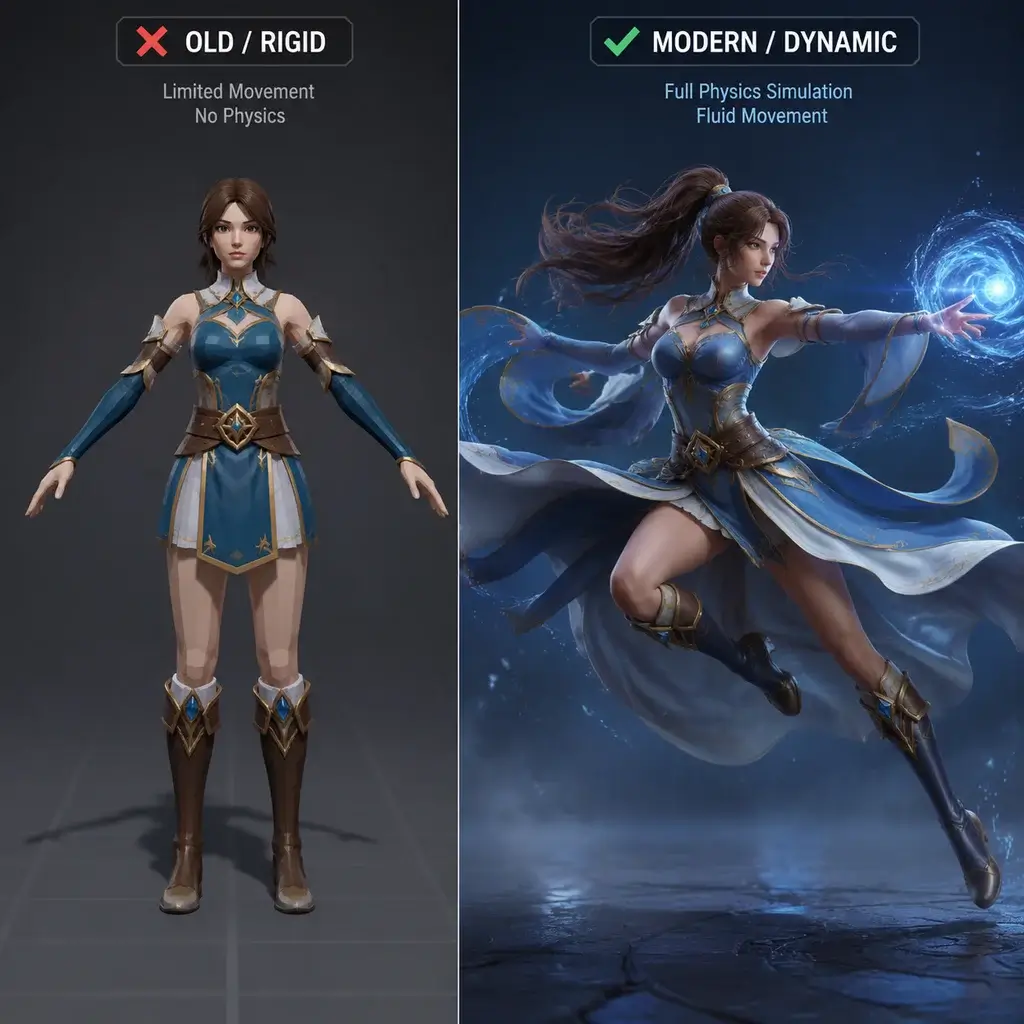
Unlike the older seedance 1.0, this new chinese ai offers superior motion. While the seedance app website limits access, our platform provides unlimited generations. You can even run a seedance 2.5 2d cartoon test to verify its exceptional rendering capabilities and smooth transitions.

Where to Get Access to Seedance 2.5 Animation Generation

Finding where to get access to seedance 2.5 is easy on our platform. The seedance 2.5 animation generation engine processes complex movements accurately. By learning how to use seedance 2, users can unlock advanced temporal consistency, ensuring every frame flows naturally without awkward artifacts or visual glitches.

Generate Now

Overcoming Seedance 1.5 Not Available with Upgraded Features

If you found seedance 1.5 not available in your region, our integration solves this. It outperforms seedance 1.5 pro with faster rendering and better physics. Although seedance 3.0 is still in development, the current version provides professional-grade results for all your creative video projects today.

Generate Now

Creating DeviantArt Seedance 2.5 Style Visuals Easily

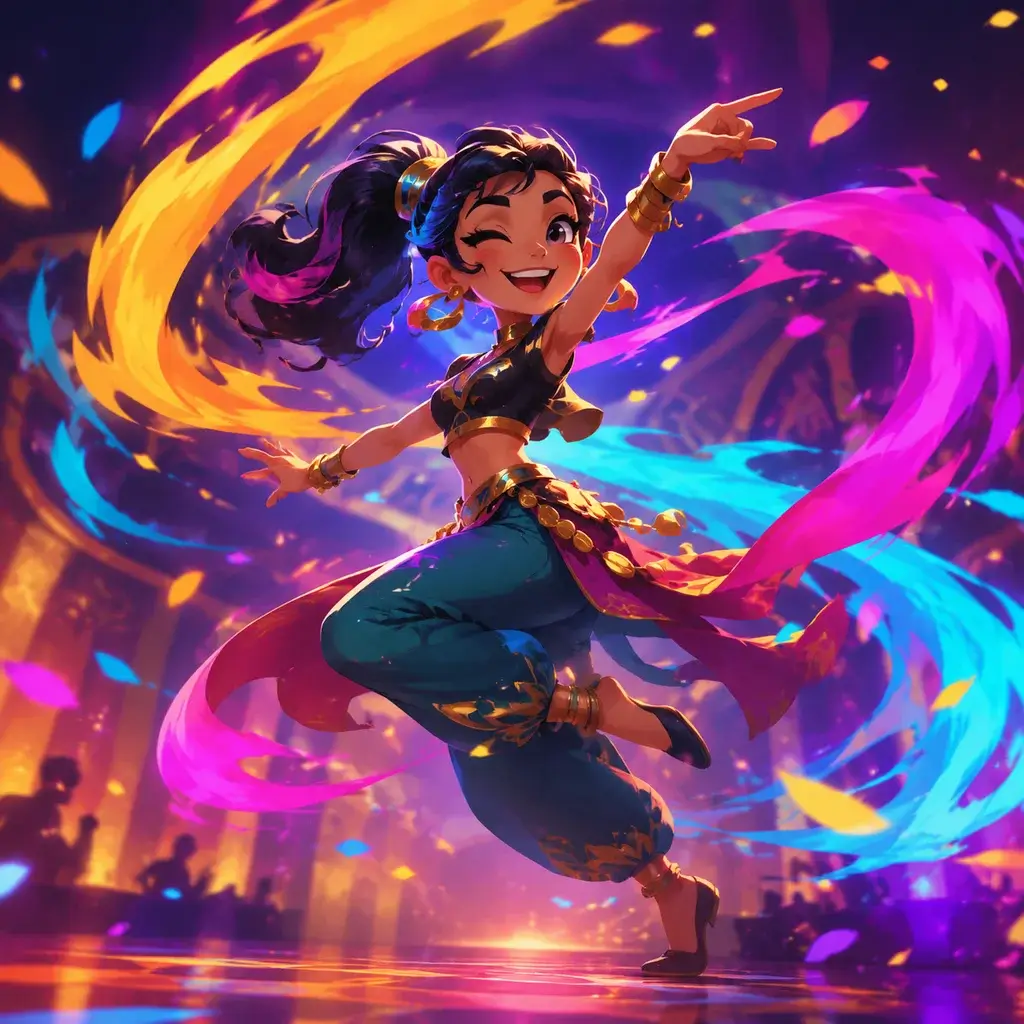
Artists love the deviantart seedance 2.5 aesthetic for stylized animations. As a leading chinese ai art generator, it excels at transforming digital paintings into motion. This ai dance video generator preserves original brushstrokes while adding fluid character movements, making it ideal for illustrators and digital creators.

Generate Now

How to Use Seedance 2.5 Online to Generate Video

Step 1: Input Your Seedance 2.5 Prompt

Begin by uploading your reference image or typing a detailed seedance 2.5 prompt. You can also import assets directly from the dreamina ai image generator to maintain style consistency across your creative workflow and ensure the AI understands your exact visual requirements.

Step 2: Configure the Chinese Image to Video AI Settings

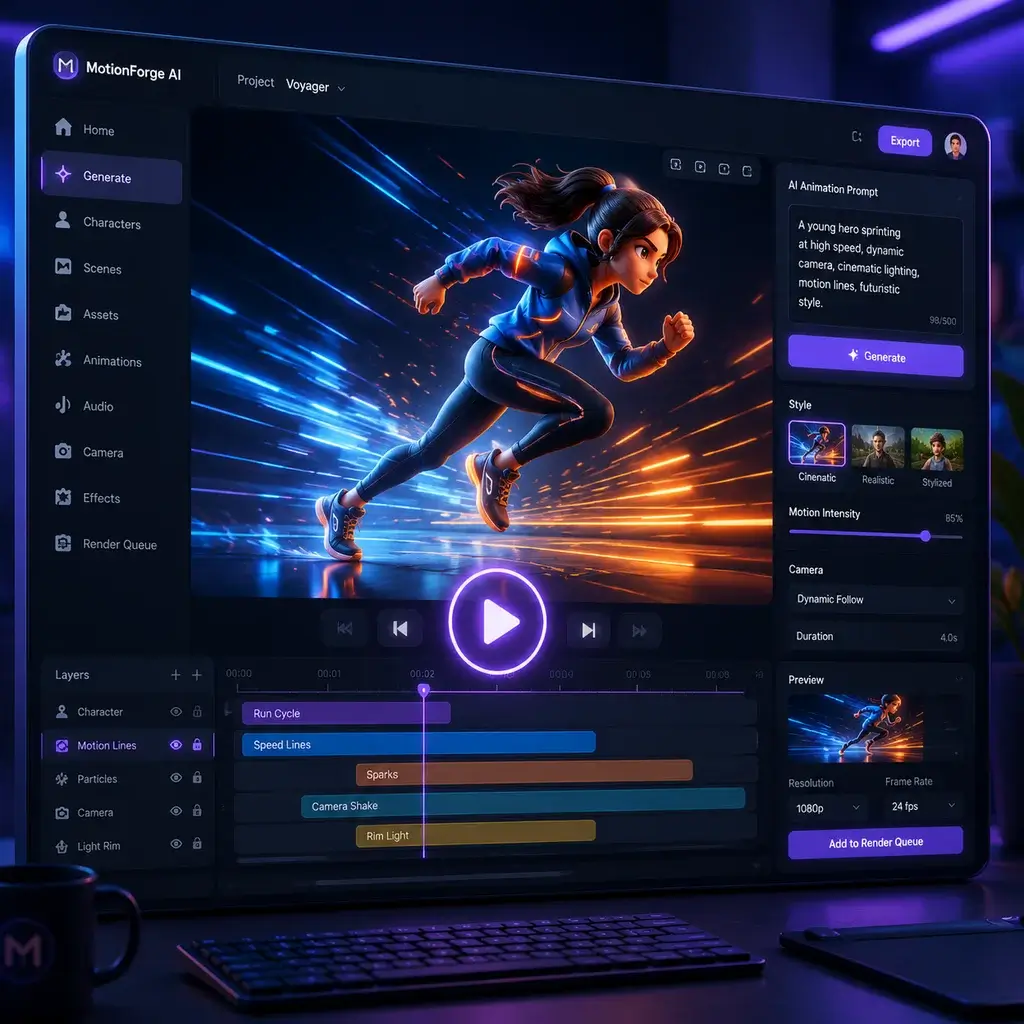
Adjust the motion parameters within this chinese image to video ai interface. Select the seedance lite mode for faster previews or choose high-definition settings for final renders, giving you full control over the animation speed, camera angles, and overall video quality.

Step 3: Generate Video and Export Your New AI Videos

Click generate to process your new ai videos. Once rendered, you can easily make image dance or perform complex actions, then export the final MP4 files in high resolution to share across your social media channels or integrate into larger video editing projects.

Top Application Scenarios for the Bytedance AI Video Generator

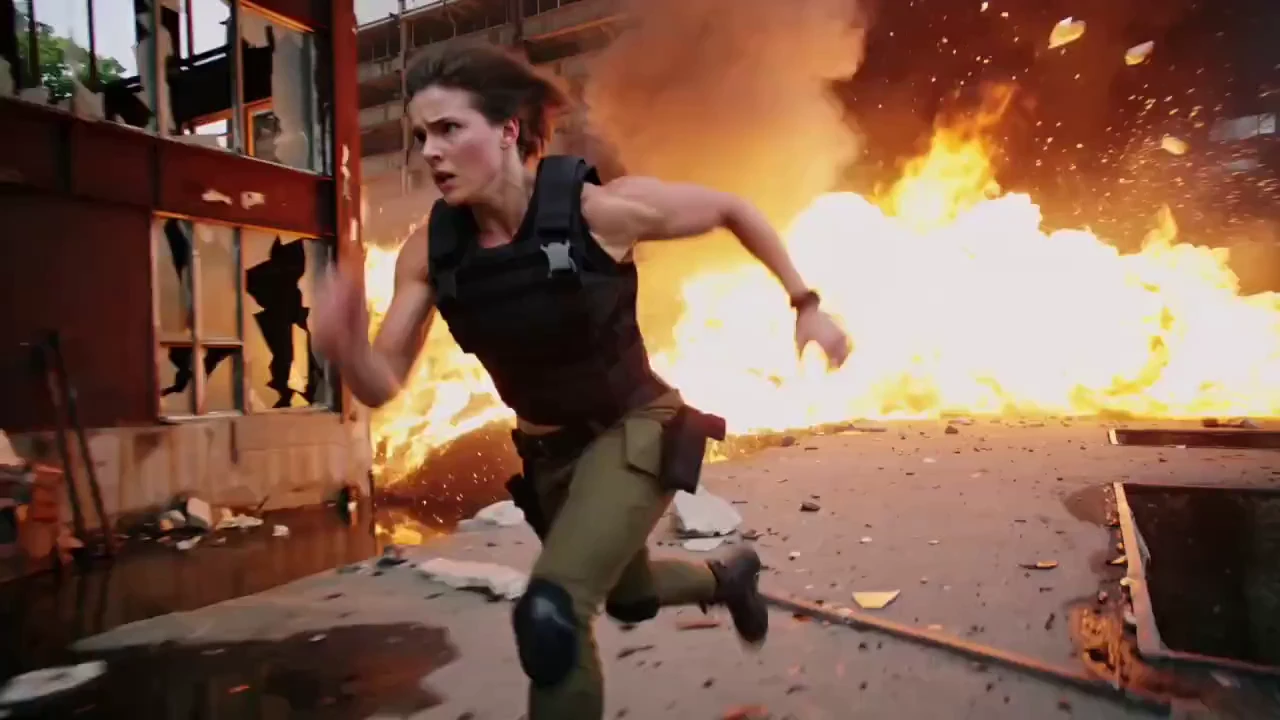
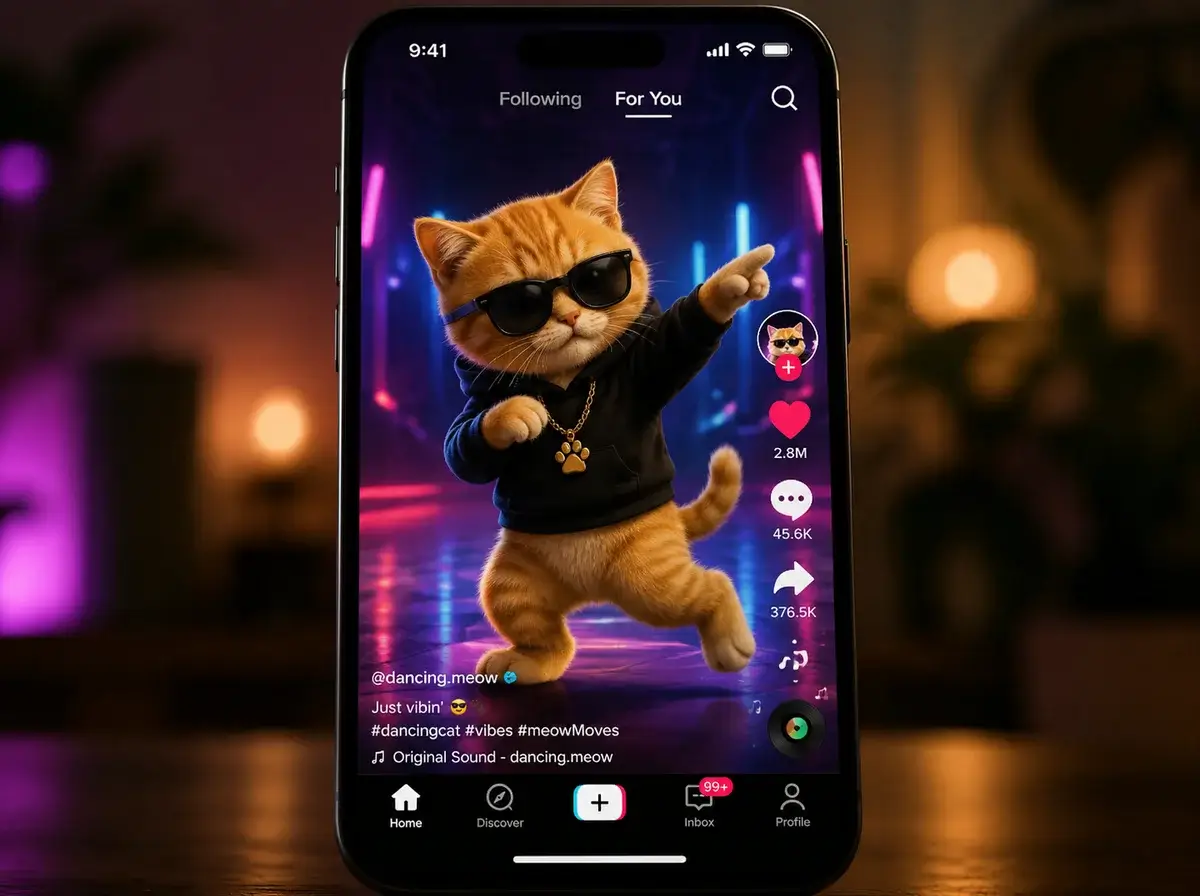
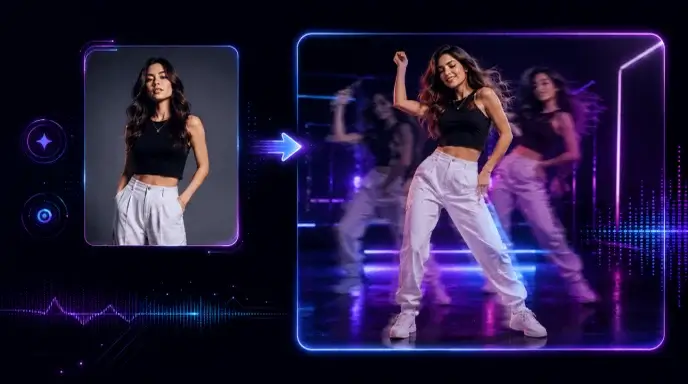
The bytedance ai video generator excels in diverse creative fields. Content creators use this ai video generating software cats dancing to create viral pet animations, while marketers leverage photo dance ai for engaging ad campaigns. As a versatile dance ai video generator, it transforms static portraits into dynamic performances, making it perfect for music videos, social media trends, and interactive digital storytelling without needing expensive motion capture equipment or professional animation skills.

Social Media
Animation
Marketing
Local Model

Viral Social Media Clips with AI Dance Video Generator

Creators use this ai dance video generator to produce trending TikTok and Reels content. By making static photos move, users can see dance trends come to life instantly, boosting engagement and follower growth with minimal editing effort.

User Reviews and Seedance Reviews and Google Veo 3 Comparisons

Amazing Seedance AI Free Experience

I wanted to use seedance free for my short film, and the seedance ai free tier on this platform was incredibly generous. The motion quality blew me away compared to other tools I have tried recently.

Sarah Jenkins
Filmmaker

Better Than Seedance 1.5 Pro

Upgrading from seedance 1.5 pro was the best decision. The seedance cost is totally justified by the massive leap in rendering speed and facial expression accuracy. It handles complex character movements flawlessly.

Marcus Chen
Video Editor

Great Seedance 2.5 Animation Generation

The seedance 2.5 animation generation is phenomenal. Even with a low seedance price point here, the output quality rivals premium studio software. My 2D character animations look incredibly smooth and professional.

Elena Rodriguez
Animator

Easy to Use Seedance 2.5 Reddit Guide

After reading a how to use seedance 2.5 reddit thread, I tried this seedance video app alternative. The interface is much more intuitive, and I generated my first high-quality clip in under five minutes.

David Smith
Content Creator

Perfect for Photo Dance AI Projects

I needed a reliable photo dance ai for a music video. The ability to make image dance to the beat was perfect. The rhythm synchronization and limb tracking are genuinely impressive for an automated tool.

Chloe Bennett
Music Producer

Top Tier Chinese AI Art Generator

As a digital artist, this chinese ai art generator respects my original brushwork. The underlying chinese ai model understands artistic styles better than Western alternatives, keeping my illustrations intact while animating them.

Liam O'Connor
Digital Artist

Amazing Seedance AI Free Experience

I wanted to use seedance free for my short film, and the seedance ai free tier on this platform was incredibly generous. The motion quality blew me away compared to other tools I have tried recently.

Sarah Jenkins
Filmmaker

Better Than Seedance 1.5 Pro

Upgrading from seedance 1.5 pro was the best decision. The seedance cost is totally justified by the massive leap in rendering speed and facial expression accuracy. It handles complex character movements flawlessly.

Marcus Chen
Video Editor

Great Seedance 2.5 Animation Generation

The seedance 2.5 animation generation is phenomenal. Even with a low seedance price point here, the output quality rivals premium studio software. My 2D character animations look incredibly smooth and professional.

Elena Rodriguez
Animator

Easy to Use Seedance 2.5 Reddit Guide

After reading a how to use seedance 2.5 reddit thread, I tried this seedance video app alternative. The interface is much more intuitive, and I generated my first high-quality clip in under five minutes.

David Smith
Content Creator

Perfect for Photo Dance AI Projects

I needed a reliable photo dance ai for a music video. The ability to make image dance to the beat was perfect. The rhythm synchronization and limb tracking are genuinely impressive for an automated tool.

Chloe Bennett
Music Producer

Top Tier Chinese AI Art Generator

As a digital artist, this chinese ai art generator respects my original brushwork. The underlying chinese ai model understands artistic styles better than Western alternatives, keeping my illustrations intact while animating them.

Liam O'Connor
Digital Artist

News About Convert Image to Video for Youtube Short Video Maker

Seed Audio 1.0 Explained: AI Dialogue, Music & SFX

Seed Audio 1.0 Explained: AI Dialogue, Music & SFX

AI video is moving fast. Today, you can turn a still image into motion, create cinematic camera movement, generate short ads, or build social media clips with AI in minutes. But one problem still makes many AI videos feel unfinished. Sound. A video can look cinematic, but if the voice feels flat, the background is silent, or the sound effects do not match the action, the whole scene loses its impact. That is why Seed Audio 1.0 is worth paying attention to. Also known as Doubao-Seed-Audio 1.0, this new AI audio generation model is not just another text-to-speech tool. It is designed to generate complete audio scenes from prompts, including dialogue, emotion, background music, ambience, and sound effects. In other words, Seed Audio 1.0 is not only making voices. It is trying to direct sound. What Is Seed Audio 1.0? Seed Audio 1.0 is an AI audio generation model that can turn text prompts and audio references into target audio. That sounds simple, but the idea behind it is much bigger. Most AI voice tools only read text aloud. You type a script, choose a voice, and get a voiceover. Seed Audio 1.0 goes beyond that. It can generate: Character dialogue. Emotional tone. Accents and dialect-style delivery. Background music. Ambient sound. Foley and sound effects. Non-verbal details like laughter, sighs, breathing, and pauses. This means creators can describe a full audio scene in one prompt instead of building every sound layer manually. For example, you could describe a rainy street scene with two characters talking, soft suspense music, distant traffic, footsteps, and a nervous emotional tone. A traditional TTS tool may only generate the spoken lines. Seed Audio 1.0 is designed to understand the whole sound scene. That is the real difference. Why Seed Audio 1.0 Feels Different The biggest problem with traditional AI audio workflows is fragmentation. You need one tool for voice. Another tool for music. Another tool for sound effects. Another editor to align everything. Then you still need to mix the volume, adjust timing, and make the final audio feel natural. For professional editors, this is normal. For everyday creators, it is a headache. Seed Audio 1.0 changes the workflow by putting more of the audio direction into a single prompt. Instead of thinking like an editor, the user can think like a director. You do not just write what someone says. You describe how the whole scene should sound. That is why Seed Audio 1.0 feels more like an AI audio director than a basic AI voice generator. One Prompt, Full Audio Scene The most important breakthrough of Seed Audio 1.0 is full-scene audio generation. A single prompt can include multiple audio layers at once. You can define who is speaking, what they are saying, how they feel, what is happening in the background, what music should play, and which sound effects should appear. This is useful because real content is never just one sound. A short film needs dialogue, silence, tension, footsteps, room tone, and music. A product ad needs voiceover, impact sounds, background rhythm, and brand atmosphere. A podcast intro needs host energy, music, pacing, and clean transitions. A game trailer needs environment, character voices, weapons, movement, and cinematic sound design. Seed Audio 1.0 tries to generate these elements together instead of forcing creators to assemble them piece by piece. For creators, this can reduce editing time. For beginners, it lowers the barrier to audio production. For AI video users, it can make generated videos feel more complete. Multi-Character Dialogue Without Losing the Voice Another important feature is multi-character dialogue. Many creative projects need more than one voice. A short drama may need two characters arguing. A podcast may need a host and a guest. An audiobook may need different roles. A game scene may need a narrator, a hero, and a villain. Seed Audio 1.0 allows creators to define multiple characters in one prompt, including their lines, emotions, and speaking rhythm. More importantly, it is designed to keep different character voices consistent. This matters more than it sounds. In AI-generated audio, a character can easily “drift.” They may sound one way in the first part and slightly different later. For a short clip, that may be acceptable. For a long story, it breaks immersion. If a character sounds like a different person after a few minutes, the audience notices. Seed Audio 1.0 focuses on keeping the voice stable across longer audio creation, which is especially valuable for audio dramas, podcasts, audiobooks, and serialized AI videos. Long Audio Is Where It Gets Serious Generating one good line is not the hard part anymore. The hard part is consistency. Can the same character still sound like the same person after one minute? After five minutes? Across multiple scenes? This is one of the major pain points Seed Audio 1.0 tries to solve. According to the official information, Seed Audio 1.0 currently supports up to 2 minutes of audio creation at a time. That generated audio can also be used as a reference input to extend the audio while keeping the voice style more consistent. This makes it more useful for long-form content. Think about audiobooks, podcast episodes, brand stories, educational narration, or AI short drama series. These formats do not only need good voice quality. They need reliable voice identity. If Seed Audio 1.0 can maintain that consistency in real workflows, it could become much more than a demo model. It could become part of a serious content production pipeline. Zero-Shot Audio Creation: No Training Needed Seed Audio 1.0 also supports zero-shot multimodal audio creation. That means creators do not need to train a custom model before generating a specific voice or sound style. They can use text descriptions, reference audio, or both. This gives users more flexibility. You can describe a voice by age, emotion, accent, personality, and scene context. You can also provide a reference audio clip to guide the output more directly. Another interesting point is style control. The same

Nano Banana AI Free: Complete Guide to Free Access, Limits, and Best Platforms (2026)

Nano Banana AI Free: Complete Guide to Free Access, Limits, and Best Platforms (2026)

Nano Banana AI leads LMArena’s image generation leaderboard with an Elo score of 1,360 — and you can use it at zero cost. But “free” carries fine print that most guides skip. Daily caps get slashed without notice, invisible watermarks are woven into every pixel, and confusing billing setups have led users to rack up accidental charges exceeding $2,000. This guide gives you a tested, honest breakdown of every free access method in 2026 — with verified limits, resolution details, and a multi-platform strategy for when credits dry up. What Is Nano Banana AI? (Quick Primer for Beginners) Nano Banana is Google’s AI image generation technology within the Gemini ecosystem. You describe what you want, and the model produces a detailed image in seconds. Nano Banana vs Nano Banana Pro vs Nano Banana 2 — What’s the Difference? Why Nano Banana AI Is the #1 Rated Image Generator in 2026 Nano Banana Pro tops the LMArena leaderboard at Elo 1,360 with 94% text-in-image accuracy, character consistency for up to 14 people, and generation speeds as low as 4 seconds. That combination explains why free access is in such high demand. Is Nano Banana AI Really Free? (The Honest Answer) Yes — Nano Banana AI is genuinely free, with limits. The Gemini app gives you roughly 20 NB2 and 2 NB Pro images daily. AI Studio offers 50 free requests. Flow grants up to 150 credits. Platforms like VideoPlus.ai don’t even require a Google account. The trade-off? Every free option restricts volume, resolution, or content. What You Get for Free on the Google Gemini App Expect approximately 20 NB2 and 2 NB Pro images per day — no credit card needed. Every output carries Google’s SynthID watermark at the pixel level. One common frustration: Google defaults to NB2, so you’ll have to regenerate to receive Pro-quality results. Free Tier on Google AI Studio (Best for Developers) AI Studio provides 50 free requests daily and applies a more lenient content filter than the Gemini app. The risk? Billing setup can be confusing — multiple users have reported surprise charges when they mistakenly routed requests through Google Cloud instead of Studio’s free tier. Free Access via Google Flow (Up to 150 Daily Credits) Google Flow lists NB Pro and NB2 at 0 credits, yet real-world testing reveals a lockout after about 100 images within 24 hours. Additional downsides include a 1K resolution cap, the strictest content filtering of any platform, only five preset aspect ratios, and no 1:1 option. Free Access Without a Google Account No Google account? No problem. VideoPlus.ai delivers NB2 generation with no sign-in, no watermark, and immediate download. LMArena offers free NB Pro at 2K resolution, though model availability may fluctuate over time. Quick-Reference Comparison Table Platform Model Daily Limit Resolution Watermark Sign-Up Gemini App NB2 + NB Pro ~20 NB2, 2 Pro Up to 4K SynthID Google account AI Studio NB2 + NB Pro 50 requests Up to 4K SynthID Google account Google Flow NB2 + NB Pro ~100 images 1K SynthID Optional VideoPlus.ai NB2 Varies 1K–4K None None LMArena NB Pro Varies 2K None None Krea.ai NB2 Varies Varies None Optional Lovart AI NB2 + NB Pro Daily credits Up to 4K None Free account How to Use Nano Banana AI for Free (Step-by-Step Methods) Five methods, ordered from simplest to most technical. Method 1 — Google Gemini App (Easiest, No Credit Card) Open the Gemini app, type your image prompt, and generate. Works across mobile and desktop. Your daily allocation resets every 24 hours — no setup beyond a Google account. Method 2 — Google AI Studio (Best Free Tier for Developers) Head to AI Studio, select a model, and prompt away — 50 free requests per day. Set billing alerts immediately to avoid surprise charges. Method 3 — Google Flow (Most Credits, Heaviest Restrictions) Visit Google Flow and select Nano Banana — roughly 100 images before a 24-hour cooldown. Be aware of the 1K resolution cap and the strictest content filtering of any platform. Method 4 — Third-Party Platforms (No Google Account Required) For the absolute lowest barrier, visit VideoPlus.ai — no login, no watermark, instant downloads. Krea.ai offers canvas-based spatial editing, and Lovart AI provides design-oriented workflows. Method 5 — Google Cloud $300 Free Credit (2,000+ Generations) New Google Cloud accounts get $300 in free credits — roughly 1,250+ high-resolution 4K generations at $0.24 per image. Claim credits at Google Cloud and set a budget cap immediately to prevent accidental charges. Best Free Platforms for Nano Banana AI in 2026 (Tested and Compared) VideoPlus.ai — No Sign-In, No Watermark, Instant Download The lowest-friction option. NB2 generation from 1K to 4K, multilingual text rendering, and character consistency for up to five subjects per session — all without creating an account. LMArena — Free High-Quality Nano Banana Pro Direct NB Pro access at 2K with no watermarks. Includes model comparison and voting tools. Caveat: model availability can shift — check before relying on it. Krea.ai — Canvas-Based Editing with 30M+ Users Unique canvas overlay tool for spatial edits — drag arrows, add annotations, combine images. NB2 plus Krea 2, Veo 3.1, and more. No account needed for basics. Lovart AI — Free 4K Output for Designers Free daily credits for 4K generation with both NB2 and NB Pro. Includes dedicated brand design tools — well suited for professional creative projects. Google Whisk — Beginner-Friendly Image Remixing Whisk blends a subject, scene, and style into a single image. “Precise Mode” adds granular control, and you receive five free image-to-video conversions monthly via Veo3. Some features remain US-only. HailuoAI — Nano Banana Pro on a Video-First Platform 4K output in roughly 8 seconds with multi-style artistic modes. Best for creators who want image generation and video tools in one place. Free vs Paid: Is the Free Tier Good Enough? What You Can Do for Free Free-tier output quality is identical to paid — the gap is volume, not fidelity. For a few social media posts daily, personal

What Is Gemini Omni? The Complete Guide to Google’s AI Video Model

What Is Gemini Omni? The Complete Guide to Google’s AI Video Model

Google announced Gemini Omni at I/O 2026 as a new multimodal AI video model designed to create and edit video from text, images, audio, and video inputs. The idea sounds huge: instead of using separate tools for prompting, editing, audio, and video generation, users can create and refine videos through natural conversation. But the first released version, Gemini Omni Flash, has received mixed feedback. Creators like its conversational editing workflow, but many also say the raw video quality still falls behind models like Seedance 2.0 and Kling. There is also confusion around Google’s naming system: Omni, Veo, Nano Banana, Flash, and Pro all sound connected, but they do not mean the same thing. This guide explains what Gemini Omni is, what it can do today, how to use it, how much it costs, how it compares with other AI video models, and whether it is worth trying. What Is Gemini Omni? Gemini Omni is Google’s multimodal AI video model for generating and editing video through natural conversation. Announced at Google I/O 2026, its first available version is Gemini Omni Flash. The easiest way to understand Gemini Omni is that it brings video generation into the Gemini chat experience. Instead of writing one prompt and accepting the result, users can describe a video, provide reference images, add audio or video input, and then ask the model to revise the result with follow-up prompts. This makes Gemini Omni different from many traditional AI video generators. In most tools, each new change often means starting a new generation. Gemini Omni is designed to keep the previous context, so users can adjust a video step by step — changing the camera angle, replacing a subject, modifying the lighting, or refining the visual style within the same conversation. In short, Gemini Omni is not just a text-to-video tool. It is Google’s attempt to make AI video creation feel more like an interactive editing process, where users can create, revise, and polish video ideas through a single conversation. What Can Gemini Omni Do? Gemini Omni’s biggest value is not simply generating a video from a prompt. Its real advantage is the way it combines video generation, multimodal input, and conversational editing. Conversational Video Editing This is the feature that makes Gemini Omni stand out. You can generate a video, then keep editing it through natural language. For example: The important part is that each instruction builds on the previous result. The model is not just starting over from zero every time. This makes Omni useful for creators who want to explore ideas, adjust scenes, and refine details without rebuilding the entire prompt. Multimodal Input Omni can work with different types of input, including: This is useful for creators who need more control than a simple text-to-video prompt can provide. For example, you could use a character image generated with Nano Banana, then ask Omni to animate that character in a specific scene. Early user feedback suggests that Omni usually understands the intent well, even when the final video quality is not always perfect. That means its strength is prompt understanding and workflow flexibility, not flawless motion realism. Gemini Omni Flash is still limited by short video duration, inconsistent complex motion, weak text rendering, and some practical restrictions around voice, moderation, and watermarking. So the short answer is: Gemini Omni is promising, especially for editing and multimodal workflows, but Omni Flash is not yet the strongest choice if you only care about polished cinematic output. How to Use Gemini Omni Google offers three main ways to try Gemini Omni: Gemini, Google Flow, and YouTube Shorts. Each entry point is designed for a slightly different type of user, so the best choice depends on what you want to create. Use Gemini for Conversational Video Creation The Gemini app is the simplest place to start. You can describe the video you want, generate a result, and then continue editing it with follow-up prompts. For example, you can ask Gemini to create a short scene, then refine it by changing the lighting, camera angle, subject, background, or visual style. This is the best option if you want to experience Gemini Omni as a chat-based video creation tool. Use Google Flow for a More Creative Workflow Google Flow is better for users who want a more structured creative workspace. It is designed for planning, creating, refining, and composing videos with Google’s generative media models. Instead of treating each video as a one-off prompt, Flow gives creators more room to build scenes, explore ideas, and refine clips as part of a larger project. This makes it a better fit for creators, marketers, filmmakers, or anyone testing more serious AI video workflows. Use YouTube Shorts for Quick Video Experiments YouTube Shorts is the most casual way to try Gemini Omni. It is useful for short-form creators who want to quickly test AI-generated clips inside a familiar video platform. This option is best for simple social video ideas, fast experiments, and lightweight creative testing. If your goal is to make quick AI-assisted Shorts rather than build a full video project, YouTube Shorts is the easiest place to start. In short, use Gemini if you want conversational editing, Google Flow if you want a more advanced creative workspace, and YouTube Shorts if you want to test quick AI video ideas for social content. Conclusion Gemini Omni represents a genuine paradigm shift in AI video creation — not because of raw generation quality (Seedance 2.0 still leads there), but because of its conversational editing workflow. The ability to iteratively refine videos through natural language, with full context preservation across turns, is something no competitor currently offers. The “Nano Banana for video” trajectory gives real reason for optimism. If Omni Pro follows the same improvement curve that Nano Banana Pro showed over its Flash predecessor, the quality gap with Seedance could narrow considerably. For now, Omni Flash is best suited for iterative editing, educational content, social media clips, and workflows where multimodal input flexibility matters more than

Higgsfield Unlimited Explained: What AI Video Creators Should Know Before Paying

Higgsfield Unlimited Explained: What AI Video Creators Should Know Before Paying

You subscribed to Higgsfield’s Unlimited plan expecting endless AI video generation. Then you hit a throttled queue, a resolution cap, or a “reached your limit” error on day three. You are not alone — and the confusion is not your fault. After analyzing pricing data from dozens of sources, Reddit threads, and YouTube reviews, users‘ complaint on Higgsfield’s “unlimited” comes with several distinct restrictions not clearly disclosed at purchase. Are they true? Or Higgsfield is over expected? Let’s read the model badges, duration notes, and fair-use details carefully to decode every restriction and compares Higgsfield’s “unlimited” marketing with AI Image to Video’s . What Is Higgsfield AI? How Higgsfield Works as a Multi-Model Aggregator Higgsfield is a multi-model aggregator — a single interface wrapping third-party AI models like Kling 3.0, Sora 2, Google Veo 3.1, Seedance 2.0, and WAN 2.6. It adds proprietary tools on top: Cinema Studio for camera controls, Soul ID for character consistency, and LipSync Studio. This wrapper model is key to understanding pricing. Yaroflasher’s YouTube investigation confirmed Higgsfield wraps Kling AI and Minimax at a 2-4.5x markup over native platform pricing. Key Models Available on Higgsfield The platform spans three categories: Not all models are available on all plans, and “Unlimited” access applies to a specific subset — not the full model library. What Does “Unlimited” Actually Mean on Higgsfield? 365-Day Unlimited Model Passes Ultra-tier annual subscribers ($99/month billed annually) receive a 365-day unlimited pass for one select image model — choose from Nano Banana 2, Wan 2.6, Seedance 1.5 Pro, or Kling 2.6. Volume is genuinely unlimited, but generations route through a slower “standard mode” queue and are subject to the battery system that progressively degrades speed. 7-Day Unlimited Model Promotions Higgsfield periodically offers “unlimited” access to premium video models (Kling 3.0, Seedance 2.0) for paying subscribers. The fine print matters: This is a temporary promotion, not a permanent plan feature. Fair Use, Dynamic Speed Limits, and the Unlimited Queue The battery system is Higgsfield’s speed-throttling mechanism: the more you use unlimited mode, the slower your generations become. Users report speeds ranging from 2 minutes to over 2 hours for the same model. It functions as a soft rate limit disguised as a technical system — while credit-based generation of the same model finishes in under 1 minute. Concurrency Limits and Fair Use Caps Unlimited mode allows only 2-4 simultaneous generations, reduced from 8 after the Christmas 2025 changes. The “reached my limit” error on Ultimate plans is a concurrent cap — not a total volume cap — but the UI does not explain this clearly. Resolution Restrictions in Unlimited Mode All unlimited video output is capped at 720p. Users needing 1080p or 4K must spend credits on upscaling (12-20+ credits). A common workaround: generate at 720p unlimited, then upscale externally with Topaz Video AI. The duration is also limited to 5 second. Unlimited Access vs Credit-Based Priority: The Speed and Quality Gap How the Two-Tier Queue System Works Higgsfield runs two parallel queues. Credit-based generations finish in under 1 minute. Unlimited-mode generations average 10-25 minutes for video — degrading further under the battery system. Same models, same platform, different priority. Key Takeaway: “Unlimited” is not a premium tier on Higgsfield. It is the economy lane. Why Credits Deplete Faster Than Users Expect Credit consumption per generation adds up fast: At Ultra tier (3,000 credits/month), that yields roughly 37-42 Kling 3.0 clips — before factoring in a reported 25-50% failure rate on some models that still consumes credits. The Hidden Cost of Iteration Creative workflows require 3-5 variations per concept, and failed generations still consume credits. One fashion brand owner burned 90% of monthly credits in under a month. Another user calculated a 5-minute video at ~$200 AUD. How to Read Higgsfield Pricing Without Getting Confused Pricing item What to check before paying Monthly price Is it billed monthly or annually? Credits How many credits are included each month? Unlimited badge Which exact model is Unlimited? Duration 365-day or N-day access? Resolution Which resolutions are included? Queue Unlimited queue or priority queue? Concurrency How many generations can run at once? Subscription condition Does Unlimited end if the subscription ends? Annual vs Monthly Billing — The Fine Print Annual billing is displayed as a monthly rate but charged as a full upfront payment. Ultra shows “$99/month” but charges $1,188 at checkout. Given Higgsfield’s history of changing terms mid-subscription, community members widely recommend monthly billing despite the higher per-month cost. How Pricing Has Changed Higgsfield has restructured pricing at least three times — original tiers (Basic $9/Pro $17-29/Ultimate $24-49/Creator $49-249) transitioned to the current Starter/Plus/Ultra/Business structure. Early Creator plan subscribers paid $149.40/month; the same plan was later offered at $37.40/month. “Unlimited” terms have also changed retroactively for existing subscribers. Where the “Scam” Accusations Come From — And What Is Actually Happening The Christmas 2025 Account Purge On December 19, 2025, Higgsfield mass-banned heavy unlimited plan users. Yaroflasher’s investigation documented leaked Discord messages confirming internal awareness, triggering Trustpilot review-bombing and BBB complaints. Retroactive Changes to Existing Subscriptions Users who purchased plans with specific features found them changed post-purchase: concurrent slots slashed from 8 to 2, censorship filters applied retroactively, and the battery system replaced original unlimited speeds — all without notice. UX Patterns That Erode Trust A CGI professional’s 2-month review on Reddit after 9,000+ generations documented dark patterns: the mobile app resets the “Unlimited” toggle on every generation, defaulting to credit-based mode and making accidental credit spending nearly inevitable. Some issues, like the “Danger Zone” cancellation button, have since been improved. Why These Issues Generate “Scam” Language When users discover time limits, throttling, resolution caps, and battery degradation — none clearly communicated at purchase — the emotional response is predictable. The core issue is not fraud but a significant transparency deficit that fuels overpromise and disappointment. Higgsfield Unlimited vs AI Image to Video Unlimited Higgsfield and AI Image to Video both use the word “Unlimited,” but they mean different things. Higgsfield’s Unlimited is best understood as

PixVerse Image to Video Guide: How to Turn Photos into AI Videos in 2026

PixVerse Image to Video Guide: How to Turn Photos into AI Videos in 2026

You already have a great image. Maybe it is an AI character, a product shot, a pet photo, or a scene you want to turn into a short TikTok-style clip. The real question is simple: can PixVerse turn that still image into a video that looks smooth, usable, and worth posting? That is why many creators search for PixVerse image to video. The workflow sounds easy: upload a photo, describe the motion, choose your settings, and generate a short AI video. But in practice, the result is not always as effortless as demo clips make it look. A weak source image, vague prompt, wrong model choice, or too many retries can quickly turn a “free test” into wasted credits. This guide explains how PixVerse AI image to video works, how to write better prompts, what to know about credits and pricing, and when another AI video generator may be a better fit for your workflow. Looking for a faster image-to-video workflow? Turn Images into AI Videos with AI Image to Video Create short videos from images, test different AI video styles, and build social-ready clips without jumping between too many tools. Try AI Image to Video What Is PixVerse Image to Video? PixVerse image to video is an AI feature that turns a still image into a short animated clip. Instead of building a scene from text alone, PixVerse uses your uploaded image as the visual reference, so the subject, composition, character style, product design, or scene mood can stay closer to your original picture. This makes PixVerse AI image to video more predictable than pure text-to-video. You can upload a product photo and ask for a slow camera push-in, turn an AI character portrait into a blinking or smiling clip, or animate a fantasy scene with drifting fog, moving light, and a cinematic camera pan. As an AI video generator, PixVerse works best for short, visual, social-friendly clips. It can be useful for TikTok, Reels, YouTube Shorts, anime characters, product previews, AI pets, mascots, fantasy scenes, and quick creative tests before making a longer video. It is less ideal for long storytelling, perfect face consistency, or complex scenes with several characters moving at once. Quick takeaway PixVerse is strongest when you give it one clear image and one clear motion idea. It is not a magic “perfect video” button. Better input images and simpler prompts usually matter more than long descriptions. How to Use PixVerse Image to Video Step by Step 1. Set Up Your Account and Claim Free Credits Start by creating an account through Google, Discord, or email. PixVerse usually gives new and free users a limited amount of credits, but the exact amount and reset rules may change. Before planning a daily posting workflow, check the current credit policy inside your account dashboard. 2. Prepare Your Image for Better Output Use a clean, high-resolution image with one clear subject, even lighting, and a simple background. A strong image gives the model less room to guess. Dynamic poses usually animate better than stiff, centered portraits. Best image type One subject, clean edges, clear face or product details, simple composition. Avoid Crowded scenes, tiny faces, messy backgrounds, low-resolution screenshots. 3. Write Motion Prompts That Actually Work The key is to describe motion and camera behavior, not the full image content. PixVerse already sees the uploaded image. If you over-describe the subject, the model may drift away from the original reference. Prompt structure Subject motion + camera motion + lighting or mood + quality style Example: “The character slowly smiles and turns toward the camera, soft camera push-in, warm cinematic lighting, smooth natural motion.” Negative prompts also help. Add terms such as “distorted face, morphing features, blurry, jittery motion” to reduce common failure modes. 4. Configure Resolution, Duration, and Style Settings Start with lower settings when testing. A failed low-resolution preview is cheaper than a failed high-resolution export. Once the motion looks right, then spend credits on higher quality. Shorter clips are usually safer. Five seconds is often enough for TikTok hooks, product shots, character reactions, and visual tests. Longer clips may increase the chance of face shifts, warped hands, or unstable motion. 5. Use Advanced Features Carefully PixVerse supports camera movements such as pan, zoom, orbit, and time-lapse through text prompts. Some versions also support audio, lip sync, multi-shot generation, and seed controls. These features can be powerful, but they also add complexity. For your first tests, keep the scene simple and add advanced controls only after the basic motion works. PixVerse Image-to-Video Pricing and Credit Costs Explained PixVerse uses a credit-based system, which means your real cost depends on how many attempts you need, not just how many final videos you download. This is important because image-to-video generation often takes several tries before you get a usable clip. Plan Type Typical Use Main Limits to Check Best Fit Free / Basic Small daily tests Daily credits, watermark, resolution, queue speed Testing the workflow Standard Regular short-form creation Monthly credits, export quality, commercial rules Creators posting occasionally Pro / Higher Plans Higher-resolution exports and more attempts Credit usage per model, audio cost, upscaling cost Frequent creators and teams The biggest pricing mistake is counting theoretical generations instead of usable videos. If one successful clip takes three attempts, your real cost is roughly three times higher than the listed cost per generation. Audio, longer duration, high resolution, or upscaling can increase credit consumption further. Credit-saving tips Test at lower resolution before exporting a final version. Use negative prompts on every generation. Keep motion simple when face consistency matters. Save strong prompts and reuse them with similar images. Only pay for higher settings after the preview direction looks right. PixVerse vs Kling vs Seedance vs Runway for Image to Video PixVerse is not the only option for image-to-video creation. Different tools perform better in different situations. Some are stronger for realism, some for stylized motion, some for editing control, and some for fast creative testing. Tool Strength Weakness Best

Why GPT Image 2 Images Feel More Useful for Creators

Why GPT Image 2 Images Feel More Useful for Creators

GPT Image 2 is getting attention because its images feel less like experiments and more like assets creators can actually use. It is not just about sharper details or prettier styles. The real upgrade is practical: clearer text, cleaner layouts, more consistent characters, polished product visuals, and stronger first frames for AI videos. For creators, that matters. A good AI image should not only look impressive for five seconds. It should be useful enough for a blog cover, thumbnail, social post, ad concept, or visual story. So what actually feels different in GPT Image 2? Let’s look at where it improves — and where it still feels like AI. Why GPT Image 2 Feels Different From Older AI Image Models Older AI image models could look impressive at first glance, but the flaws showed up quickly: broken text, messy layouts, inconsistent characters, and polished visuals that still felt artificial. GPT Image 2 feels different because it handles the practical side of image generation better. Posters look more readable, products are clearer, characters stay more recognizable, and visuals feel more purposeful. That is why creators are paying attention — it does not just make prettier images, but more usable ones. The Image Effects People Notice Most GPT Image 2 feels different because its improvements show up in places creators actually use. The results are not just prettier; they are easier to turn into thumbnails, covers, product visuals, story assets, and first frames for videos. Text in Images Looks Much More Readable Text is one of the clearest improvements. Older AI image models could create a strong poster background, then ruin it with broken letters, fake words, or unreadable symbols. That made the image hard to use for thumbnails, ads, product labels, menus, and social posts. GPT Image 2 handles short text better. Titles look cleaner, labels are easier to read, and simple poster copy feels more intentional. This matters because creator visuals often depend on just a few clear words: a YouTube thumbnail needs a hook, a TikTok cover needs a bold phrase, and a product mockup needs a label that does not look broken. Still, it is not perfect. Long text, prices, dates, brand names, small disclaimers, and non-English copy still need manual checking. Posters and Covers Feel More Designed GPT Image 2 also makes posters, covers, and promotional visuals feel more complete. Instead of placing random text over a nice background, it often creates a clearer relationship between the subject, title, spacing, lighting, and background. That makes it useful for blog covers, YouTube thumbnails, TikTok covers, product ads, campaign images, and social graphics. The key word is direction. GPT Image 2 can quickly help you explore a visual idea, but it does not replace real design files. A generated poster is still a flat image, not a layered Figma or Photoshop file. Characters Stay More Consistent Character consistency is another effect creators care about. If you are making a story, comic, mascot, or AI video, one good image is not enough. The character needs to stay recognizable across scenes. GPT Image 2 seems better at keeping the face, outfit, colors, and general style connected. This is useful for character references, storyboards, expression variations, and AI video first frames. A stronger first frame gives image-to-video tools a better starting point. Realistic Images Look More Polished GPT Image 2 can create clean, polished realistic images. Portraits, product mockups, lifestyle scenes, studio shots, and commercial visuals often look more refined and closer to usable brand material. But polished does not always mean natural. Some images still look too smooth, too controlled, or slightly artificial. For creators, the goal is not just to make an image look expensive. It should also feel believable. Structured Images Are More Useful One of the most useful changes is how GPT Image 2 handles structured visuals. These are images that explain something, such as comics, diagrams, product explainers, step-by-step graphics, maps, or before-and-after images. This matters because many creator visuals need to communicate quickly. GPT Image 2 seems better at organizing panels, labels, titles, and sections, but facts, numbers, and instructions still need review before publishing. Where GPT Image 2 Still Feels Like AI GPT Image 2 is more useful than older AI image models, but it still has limits. The problems usually appear when the image needs exact text, natural realism, or a less polished everyday look. Long Text Can Still Go Wrong Short titles and labels are much better, but long text is still risky. A poster with one bold headline may look clean, while a detailed infographic, product description, or paragraph can still include small mistakes. This matters for ads, product visuals, tutorials, and educational graphics. If the words are important, they should always be checked manually. Non-English Text Still Needs Checking Non-English text has improved, but it is not fully reliable. Chinese, Japanese, Korean, Arabic, and other languages may look visually convincing, but some characters or words can still be wrong. For multilingual creators, GPT Image 2 is useful for quick concepts, but final publishing still needs native-language review. Nature Scenes Can Look Too Synthetic Nature is harder than it looks. GPT Image 2 can create beautiful landscapes, but trees, clouds, mountains, grass, water, and sunlight may feel too sharp or too controlled. Sometimes every part of the image looks equally detailed, which makes the scene feel less natural. The result can be beautiful, but not always believable. Some Images Are Too Perfect Many GPT Image 2 images look clean, polished, and high-end. That works well for product concepts or commercial visuals, but it can feel fake for everyday content. Real photos often have small imperfections: uneven lighting, messy backgrounds, imperfect skin, or casual framing. If you want a more authentic result, ask for natural lighting, realistic imperfections, less polished textures, or casual photography instead of a luxury ad look. How to Use GPT Image 2 for Free You can use GPT Image 2 directly in ChatGPT. After the update, some users

FAQs About the Seedance 2.5 AI Video Generator

Is Seedance 2.5 free to use on this platform?

Yes, is seedance 2.5 free to access here. We offer a generous seedance 2.5 free tier that allows users to generate multiple videos daily without watermarks, making it highly accessible for independent creators and hobbyists.

How does Seedance 2.5 compare to Seedance 1.0?

Compared to seedance 1.0, the current version offers vastly improved temporal consistency and physics simulation. While seedance 3.0 is anticipated in the future, the current iteration already provides professional-grade motion and superior prompt adherence.

Where is the official Seedance app website?

While Bytedance operates an official seedance app website, our platform serves as a fully integrated alternative. You can access the seedance video app capabilities directly through our interface without navigating region locks or complex registration processes.

Can I use it as the best text to video local model?

It is highly regarded as the best text to video local model for its architecture. As a powerful chinese image to video ai, developers often study its framework to improve local deployments and optimize text-to-video generation pipelines.

What is the Seedance price and Seedance cost?

The seedance price varies based on usage volume. However, the seedance cost on our platform is heavily subsidized, offering unlimited generations and premium features at a fraction of the standard enterprise API pricing.

Does it support Seedance 2.5 2D cartoon test styles?

Yes, the seedance 2.5 2d cartoon test style is fully supported. The seedance 2.5 animation generation engine excels at maintaining flat shading and line art integrity while adding fluid, natural movement to 2D cartoon characters.

How to use Seedance 2.5 for API integration?

To learn how to use seedance 2.5 via API, developers can utilize the byteplus seedance 2.5 documentation. This allows seamless integration of the video generation capabilities directly into third-party applications and automated workflows.

Is Seedance 1.5 not available anymore?

Yes, seedance 1.5 not available is a common issue as older models are deprecated. We recommend using the current version, which significantly outperforms seedance 1.5 pro in rendering speed, motion accuracy, and overall visual fidelity.